
|
Getting your Trinity Audio player ready...
|
Microsoft CEO Satya Nadella has begun a new discussion about what actually makes an AI platform meaningful in a world where AI is changing the way we work, live, and innovate. Nadella reminded the tech community that the true benefits of artificial intelligence should go to the people and companies that use it, not just the companies that develop the technology. His reiteration of a timeless Bill Gates concept particularly resonated with the industry.
Everyone should gain from a platform
Bill Gates was cited by Nadella in his in-depth post on X (formerly Twitter): “A platform is when the economic value of everybody that uses it exceeds the value of the company that creates it.”
This idea is more crucial than ever to Nadella. Given how quickly AI is developing, he cautioned that many businesses run the risk of undervaluing themselves in favour of powerful tech platforms. Rather, he thinks that assisting each company in developing its unique AI-native strengths is the true challenge—and opportunity.
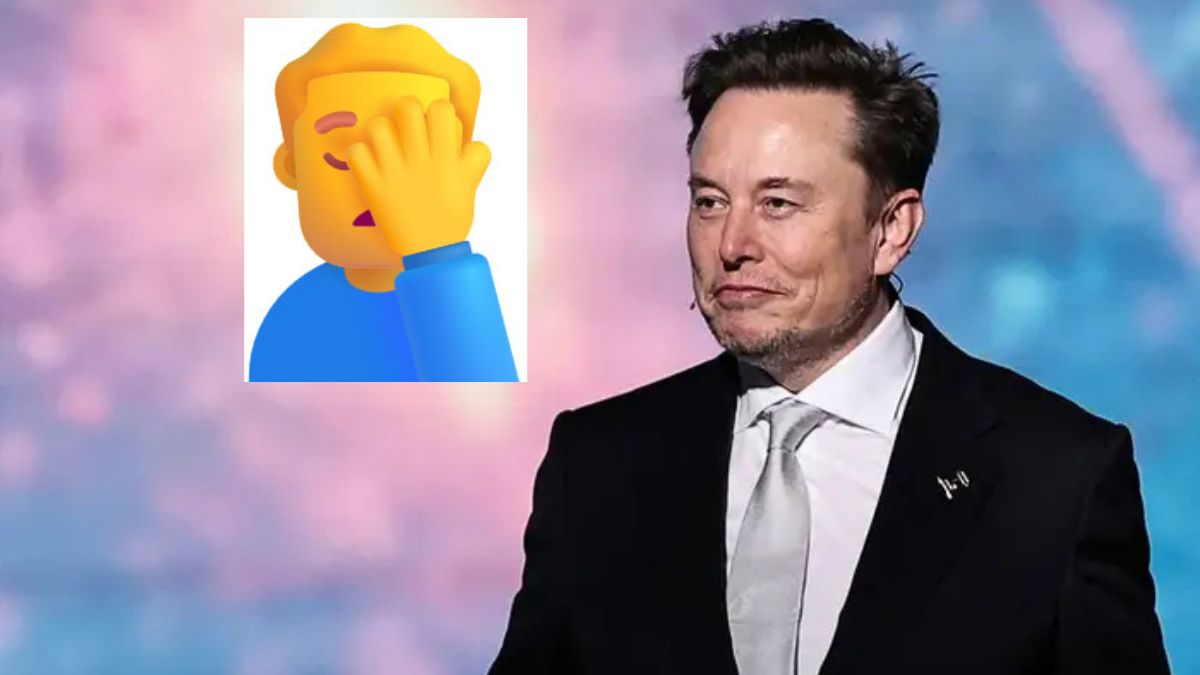
It’s interesting to note that Tesla CEO Elon Musk used a straightforward facepalm emoji in response to Nadella’s post, implying that he disagreed or was frustrated with the viewpoint. This response has instantly caught attention from all over the world.
ALSO READ | SoftBank Sells Entire Nvidia Stake to Go “All In” on ChatGPT-Maker OpenAI
A Positive-Sum Method
Nadella also explained how Microsoft’s long-standing partnership with OpenAI is an example of a positive-sum mentality, where everyone wins rather than engaging in harmful competition.
He asserted that Microsoft’s investment enabled OpenAI to expand rapidly, while OpenAI’s groundbreaking research accelerated Microsoft’s own innovation. Both businesses profited by genuinely uplifting one another rather than by taking advantage of one another.
Building the World’s First “AI Superfactory”

Nadella highlighted advancements in AI infrastructure, stating that the world’s first AI Superfactory, created in collaboration between Microsoft and OpenAI, is based on years of lessons learned from previous AI supercomputers. The project also resulted from close cooperation with one of the leading manufacturers of AI hardware, Nvidia.
Additionally, Microsoft has now incorporated AMD chips into its systems, allowing businesses and startups greater latitude and flexibility in the development and implementation of their models. According to Nadella, this is about making sure that there is innovation, choice, and healthy competition.
The True Test of AI: Impact on the Real World
According to Nadella, stock prices and business valuations won’t accurately reflect AI’s actual success. Real-world advancements will demonstrate it, particularly in sectors like manufacturing, healthcare, and agriculture and education.
He gave a powerful example: The promise of AI will be realized if a pharmaceutical company can launch a life-saving treatment in a year rather than twelve.
A Cautionary Tale About Zero-Sum Thinking
Nadella told businesses to stay away from zero-sum thinking, which says that if one company does well, another must fail. He told businesses to protect their data, learn how to use AI, and stay away from partnerships that could become “extractive,” which would lower their long-term value.
A Chance to Use AI to Make the Future Fairer
He concluded by saying that some industries did well during past technological revolutions, but others, like local media, were left behind. He believes that this time the AI community has a special chance to make sure that everyone benefits, not just a few powerful people.
Disclaimer:
This article is based on publicly available information and aims to provide a summary of recent developments in the AI industry. It does not represent the views of Microsoft, OpenAI, or any individuals mentioned.
Kangkan Kishor Sharma, an M.A. in Media and Journalism, serves as the Chief Contributor at NestOfNews.com. He contributes regularly, bringing insight, passion, and a deep commitment to delivering stories that truly matter. His work reflects a thoughtful understanding of media, storytelling, and the issues shaping today’s world.
1 thought on “Satya Nadella Quotes Bill Gates to Define a “True AI Platform”; Elon Musk Reacts with a Facepalm”
Comments are closed.