|
Getting your Trinity Audio player ready...
|
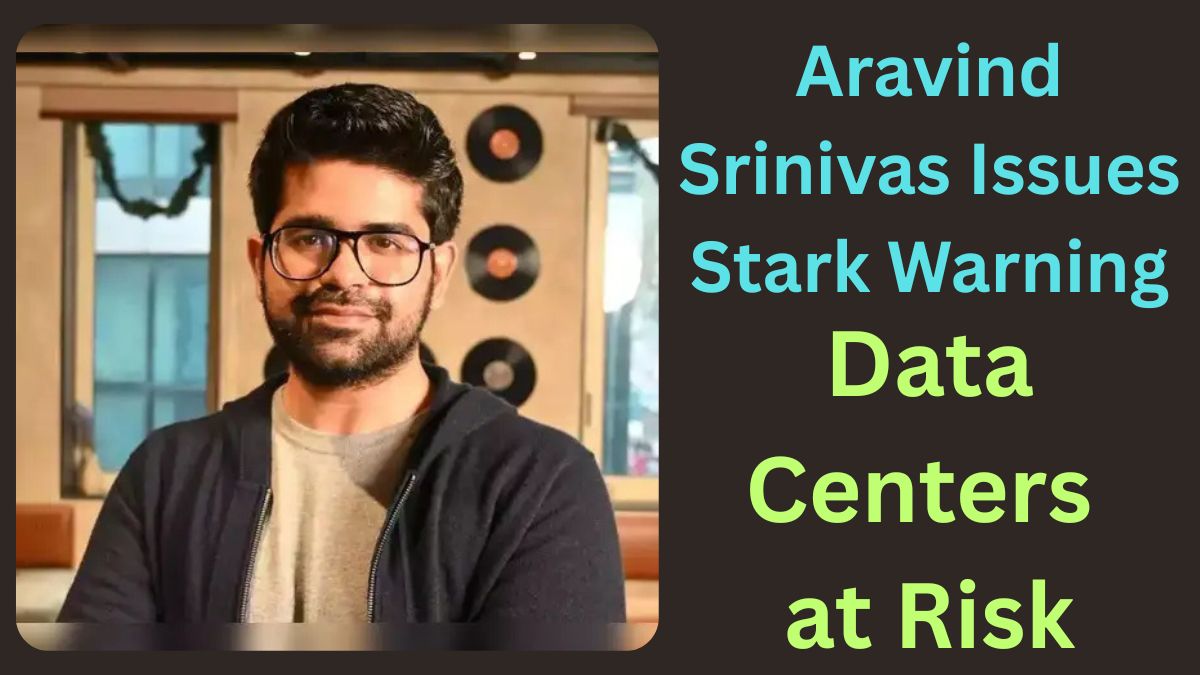
In the near future, our smartphones or laptops may become so intelligent that they no longer need to rely on distant servers for answers. It may sound like science fiction, but according to Perplexity CEO Aravind Srinivas, it could soon become reality.
At a time when global tech giants are investing billions into massive data centres, Srinivas has raised a powerful question: what if these data centres themselves become outdated?
His message carries both concern and optimism: while centralized infrastructure faces a threat, a smarter, more personal form of AI may be on the rise.
Aravind Srinivas Warning: Why Data Centres Could Lose Relevance

Speaking on a recent podcast, Aravind Srinivas explained that the biggest risk to traditional data centres is the rise of AI models that can run directly on local devices.
Today’s AI systems:
- Depend heavily on centralized servers
- Consume enormous amounts of electricity and water
- Require constant cooling and maintenance
Srinivas believes that if intelligence can be efficiently packed into powerful chips running locally on devices, the need for massive cloud-based infrastructure could dramatically reduce.
ALSO READ | Geoffrey Hinton’s 2026 AI Warning: Massive Job Cuts or a New Era of Hope?
On-Device AI Future: A Threat That Also Brings Opportunity
While this shift may seem alarming for companies operating data centres, it presents a promising future for users.
On-device AI would mean:
- Instant responses without network delays
- Greater privacy, as personal data never leaves the device
- AI that adapts naturally to individual habits and preferences
Srinivas describes this as having a personal digital brain, intelligence that lives with the user, evolves over time, and remains fully owned by them.
Data Centers vs On-Device AI: A Changing Balance of Power
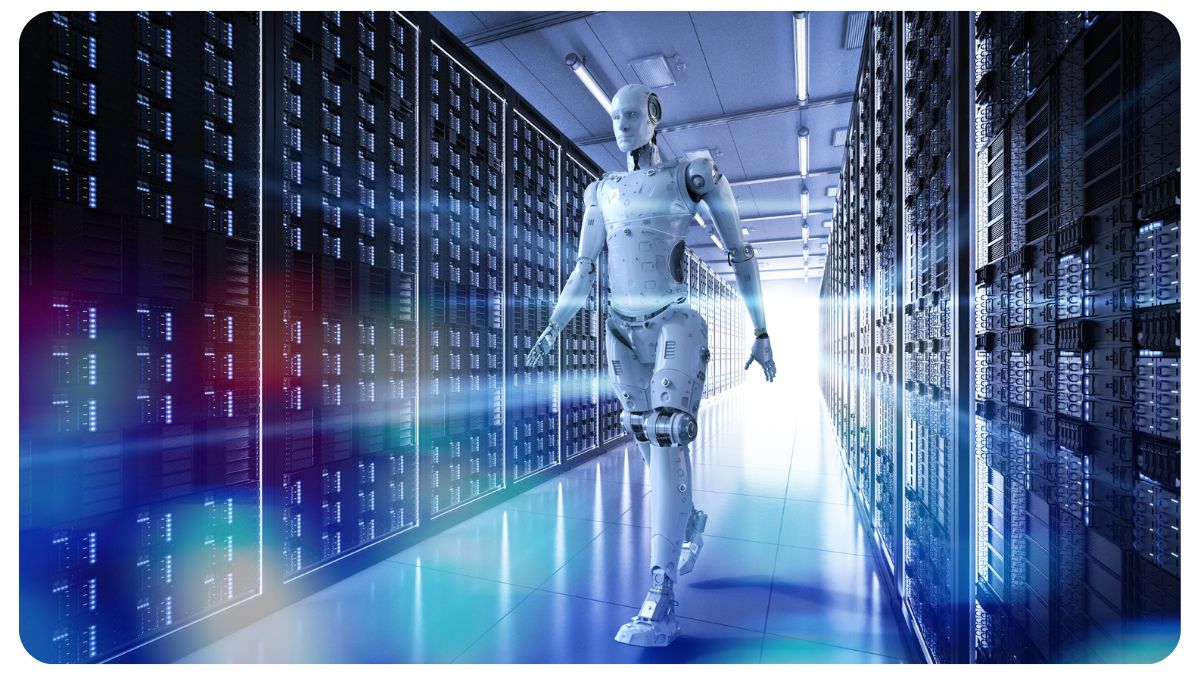
Companies like Google, Meta, Microsoft, and Amazon are currently pouring unprecedented investments into building large-scale data centres. But Srinivas questions whether such spending will make sense in the long run.
If AI becomes truly device-based:
- The tech ecosystem could become more decentralized
- Users may gain greater control over their data and intelligence
- The entire business model of AI infrastructure could be reshaped
However, Srinivas also acknowledged that this future is not here yet. No one has fully developed and shipped a local AI model that is both highly efficient and reliable enough to replace centralized systems at least not for now.
Conclusion
Aravind Srinivas’ warning is not meant to create fear but to spark preparation.
For data centres, it may signal disruption. For users, it could mean faster, safer, and more personal AI experiences.
The next chapter of artificial intelligence may not live in the clouds but right in our pockets.
Disclaimer:
This article is published solely for informational and news purposes. The views expressed are those of the individual mentioned and should not be considered technical, financial, or investment advice.
Paban Kotoky, an MCA by qualification, serves as the Technical Head & Contributor at NestOfNews.com. He manages the overall technical operations of the platform and also contributes regularly, sharing his expertise on technology and emerging digital trends.
1 thought on ““Data Centres May Not Survive”: Aravind Srinivas Warns of AI Shift, Sees Hope in On-Device Future”
Comments are closed.