|
Getting your Trinity Audio player ready...
|
There is something oddly comforting about a man admitting he owes over a billion dollars and still sleeping peacefully at night. Robert Kiyosaki, the celebrated author of Rich Dad Poor Dad, has done exactly that, and the internet cannot stop talking about it.
At first glance, the number feels frightening. A billion dollars in debt sounds like the kind of headline that ends careers, not builds them. But once you peel back the layers of Robert Kiyosaki’s debt strategy, a very different, almost inspiring story emerges.
The Moment He Said It Out Loud
Speaking candidly on the Get Rich Education podcast, Kiyosaki did not shy away from the truth. “So, I’m a billion two in debt,” he said, without a hint of panic in his voice.
What followed, though, was the real lesson. He warned his listeners gently but firmly that his path is not one to copy blindly. “If you’re going to learn to use debt, you’d better take some education,” he said, almost like a mentor cautioning an eager student. This honesty makes his story feel human, not reckless.
A Billion-Dollar Number with A Much Smaller Human Story
Here is where the fear starts to fade. Kim Kiyosaki, his former wife and longtime business partner, explained to Vanity Fair that this massive debt is not sitting on Robert’s shoulders alone.
She revealed that the debt is tied to a large real estate portfolio, roughly 1,500 apartment units, owned together with trusted partners. “We have a lot of apartment houses with our partners,” she said warmly, almost defending him from the panic the headlines had created.
Vanity Fair estimated that Kiyosaki’s own personal share could realistically fall between thirty million and sixty million dollars, based on his claimed annual income of around three million dollars. Suddenly, the billion-dollar debt strategy feels less like a gamble, and more like a carefully shared responsibility.
The Emotional Core of His Wealth Building Method
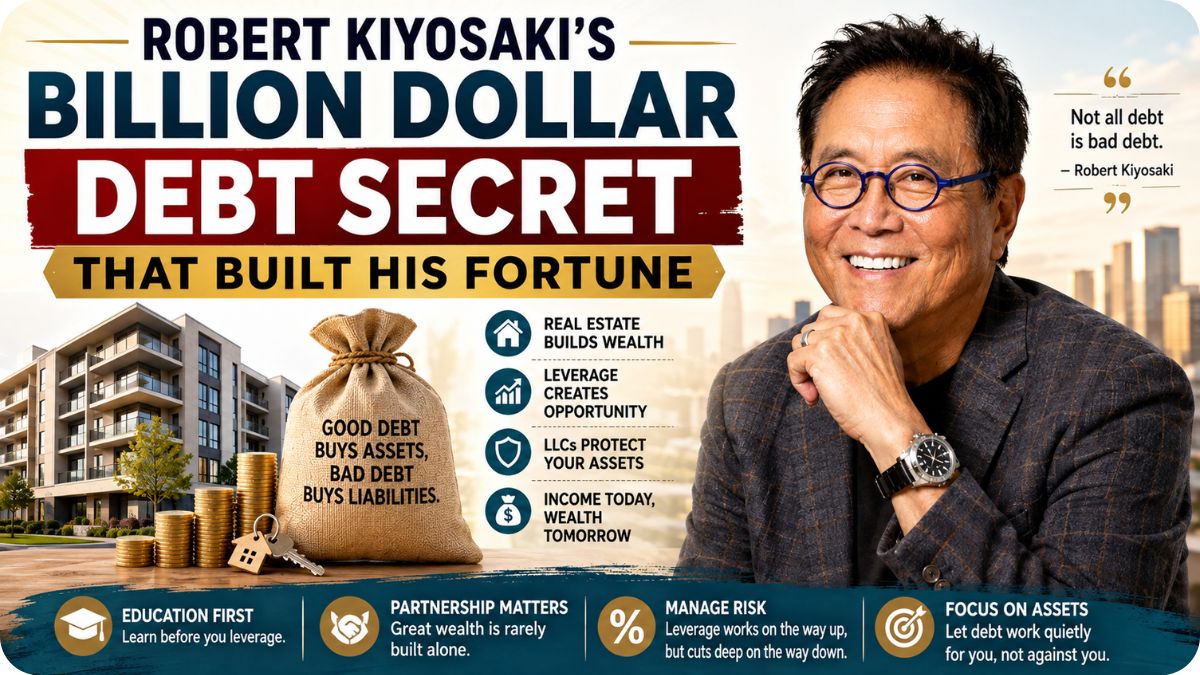
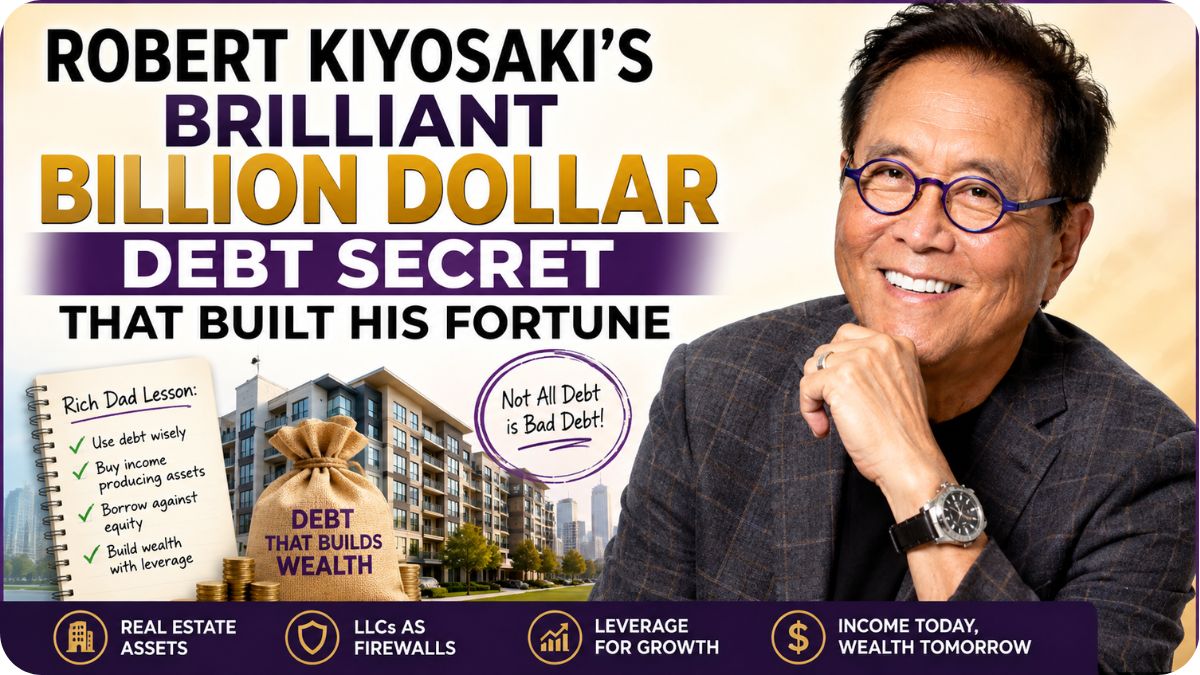
What truly makes this story powerful is not the size of the number, but the mindset behind it. Kiyosaki has built his entire philosophy around one simple, comforting idea: not all debt is the enemy.
As his real estate holdings gain value, he borrows against that added worth, without ever selling the properties he loves and believes in. That borrowed money then flows into new opportunities, fresh assets, and continued growth.
To protect himself emotionally and financially, he separates every investment using LLCs, structures he lovingly calls his firewalls. “If it all comes to hell, you can talk to my attorney,” he told Vanity Fair, half joking, yet deadly serious about protecting his peace of mind.
Experts Feel the Same Mixed Emotions
Real estate investor and tax expert David A. Perez called Kiyosaki’s approach “a great strategy,” reassuring readers that heavy property-backed debt is actually normal for serious multifamily investors.
He also pointed out a quiet emotional relief hidden within the tax code itself; borrowing against equity usually creates a loan, not taxable income, since nothing has technically been sold. Of course, this comfort comes paired with real pressure, from higher interest costs to heavier monthly payments.
A Gentle but Honest Warning

Not everyone feels completely at ease. John Poole of JPTD Partners offered a warning that lingers long after you read it. “Leverage works beautifully on the way up,” he said, before adding a chilling truth: it can become “a chainsaw financially coming down” if the market turns.
It is a warning wrapped in respect, not fear-mongering, and it adds emotional balance to an otherwise glowing story.
Why His Story Still Touches People Almost Thirty Years Later
Since Rich Dad Poor Dad was first self-published in 1997, Kiyosaki has quietly built an emotional bridge between ordinary people and complicated financial ideas. His central belief remains beautifully simple; debt used to buy income-generating assets is good, while debt used to fund lifestyle expenses is dangerous.
That single distinction has shaped how millions of readers think about money, long before this billion-dollar headline ever existed.
Should You Feel Inspired, Or Cautious
Kiyosaki himself would likely say, feel both. His story is not a promise that everyone can safely carry a billion dollars in debt. It is a reminder that with proper education, patience, and smart structuring, debt does not have to be something we fear.
For everyday people, his journey offers a warmer, more human lesson: understand your debt, respect it, and let it work quietly for you, instead of silently against you.
Robert Kiyosaki’s billion-dollar debt strategy may sound alarming on paper, but underneath it lies a story of courage, partnership, and calculated hope, one that continues to inspire and unsettle people in equal measure.
Disclaimer:
This article is based on statements made by Robert Kiyosaki and Kim Kiyosaki in public podcasts and media interviews. It is intended for general informational and educational purposes only, and should not be considered financial or investment advice. Readers are encouraged to consult a qualified financial advisor before making any investment or borrowing decisions.

Dr. Bidyut Barun Sarmah, with 22+ years of experience in print, electronic, and digital media, holds an MA and PhD in Mass Communication and Journalism. He has worked with AIR, Doordarshan, and the Publication Division under the Ministry of Information and Broadcasting. A published author and researcher, Dr. Sarmah writes extensively in both Assamese and English. He was also awarded a prestigious fellowship by the Ministry of Culture, Government of India, for his study on journalistic literature—an achievement that highlights his depth of scholarship and contribution to media studies. At Nest of News, he leads the editorial team and contributes across diverse topics.