|
Getting your Trinity Audio player ready...
|
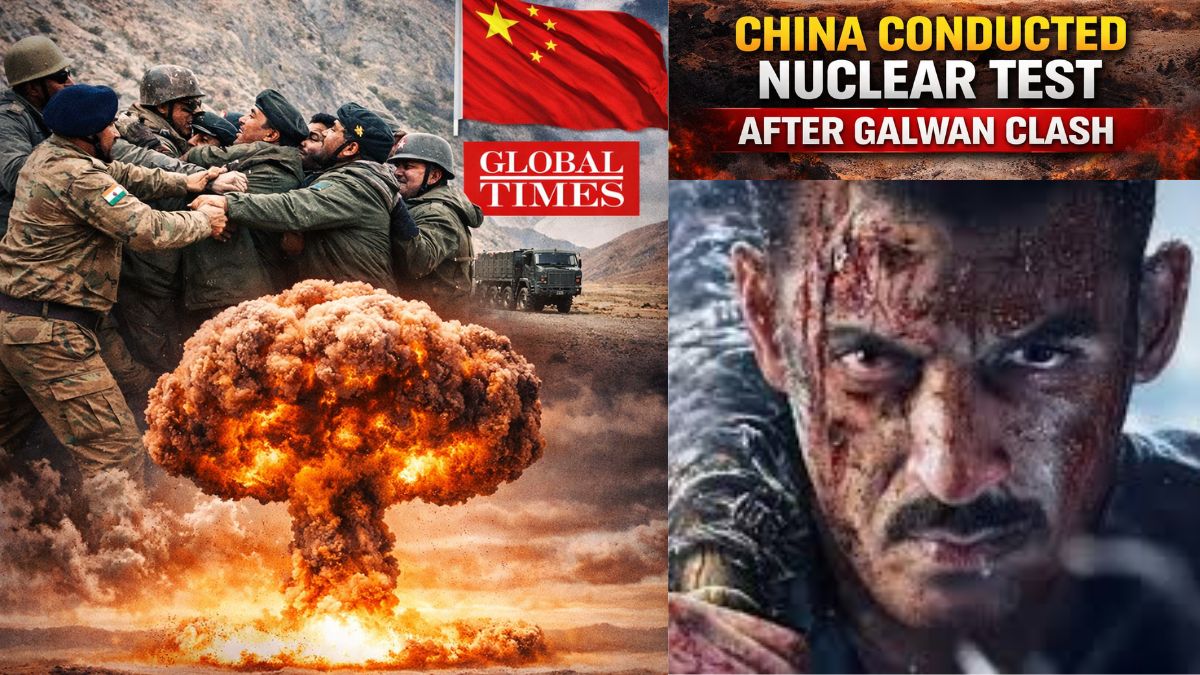
Whenever the name Galwan Valley is mentioned, emotions still run deep. The night of June 2020 remains etched in memory, when 20 brave Indian soldiers made the ultimate sacrifice for the nation. Recently, as China’s state-run newspaper Global Times objected to the Indian film Battle of Galwan, another startling claim surfaced.
The United States has alleged that just days after the Galwan clash, China carried out a covert nuclear test on June 22, 2020. With this claim, China Nuclear Test 2020 has once again become a major point of international discussion.
What Is the China Nuclear Test 2020 Allegation
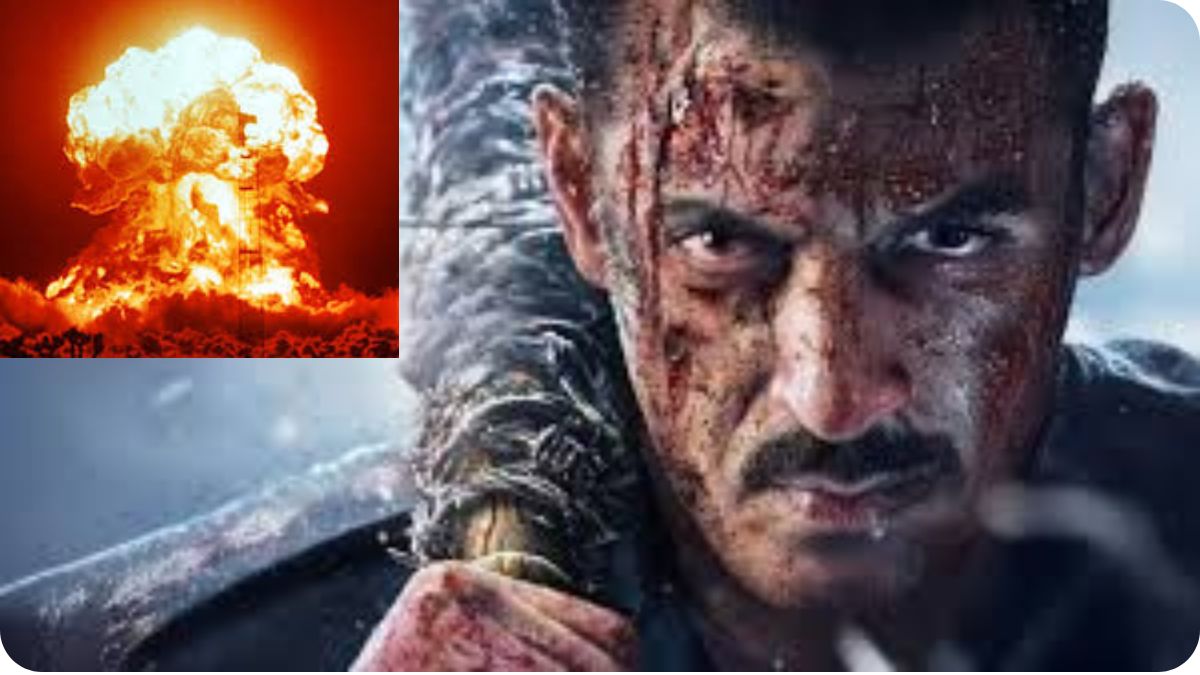
According to US Under Secretary of State Thomas G DiNanno, China conducted a yield-producing nuclear explosive test in June 2020. He stated that China used a technique known as decoupling, which is designed to reduce the effectiveness of seismic monitoring systems and potentially conceal nuclear activity.
The US claims the test took place on June 22, exactly one week after the violent confrontation between Indian and Chinese troops in eastern Ladakh on June 15, 2020. In that clash, 20 Indian soldiers lost their lives. Reports at the time also suggested casualties on the Chinese side.
China, however, has strongly denied the allegations and maintains that it did not conduct any covert nuclear test.
ALSO READ |A Single Teaser of “Galwan”Shakes the Heart of the Dragon!
Concerns Rise After the End of New START Treaty
These accusations have surfaced at a critical time. The New START Treaty, signed in 2010 between the United States and Russia to limit strategic nuclear weapons, has now expired.
The US argues that the agreement was uneven because China was not a party to it. According to DiNanno, any future arms control framework must include China to reflect present-day realities.
Experts warn that without a new comprehensive agreement among major nuclear powers; the world could witness an accelerated arms race. That is why the China Nuclear Test 2020 allegation is being viewed not merely as an isolated claim, but as a signal of broader geopolitical shifts.
Global Times and the Opposition to the Film “Battle of Galwan”

Adding another layer to the situation, Global Times recently criticised the Indian film Battle of Galwan, alleging that it carried political undertones. Around the same time, the US allegations intensified global attention.
On one hand, there is cultural and narrative opposition. On the other hand, there are serious security-related claims. Together, these developments have heightened international scrutiny and debate.
Which Direction Is the World Heading
This episode has raised important questions.
- Will a new global nuclear control framework emerge
- Can the US, Russia and China find common ground
- Is Asia’s strategic balance on the verge of change
While the situation creates concern, it has also strengthened calls for greater transparency and accountability in nuclear policies worldwide.
The Galwan clash was not just a border incident. Its aftereffects continue to shape diplomatic conversations and global security dynamics. The China Nuclear Test 2020 controversy may prove to be a defining moment in the evolving landscape of international politics.
ALSO READ |Trump Targets Iran Trade Partners, India Balances Economic Gains and Political Storm
Disclaimer:
This article is based on publicly available official statements and media reports. The claims mentioned reflect the positions of the respective governments. Independent verification of such allegations would depend on international investigations and official findings. This article is intended solely for informational purposes.
Dr. Bidyut Barun Sarmah, with 22+ years of experience in print, electronic, and digital media, holds an MA and PhD in Mass Communication and Journalism. He has worked with AIR, Doordarshan, and the Publication Division under the Ministry of Information and Broadcasting. A published author and researcher, Dr. Sarmah writes extensively in both Assamese and English. He was also awarded a prestigious fellowship by the Ministry of Culture, Government of India, for his study on journalistic literature—an achievement that highlights his depth of scholarship and contribution to media studies. At Nest of News, he leads the editorial team and contributes across diverse topics.