

|
Getting your Trinity Audio player ready...
|
India has entered a transformative new era of worker protection and welfare. On Friday, the government officially implemented four major labour codes aimed at improving the lives of more than 400 million workers. These reforms promise guaranteed minimum wages, strong social security, safer workplaces, and expanded opportunities for women—modernising India’s decades-old labour laws to build a more dignified, transparent, and fair work ecosystem.
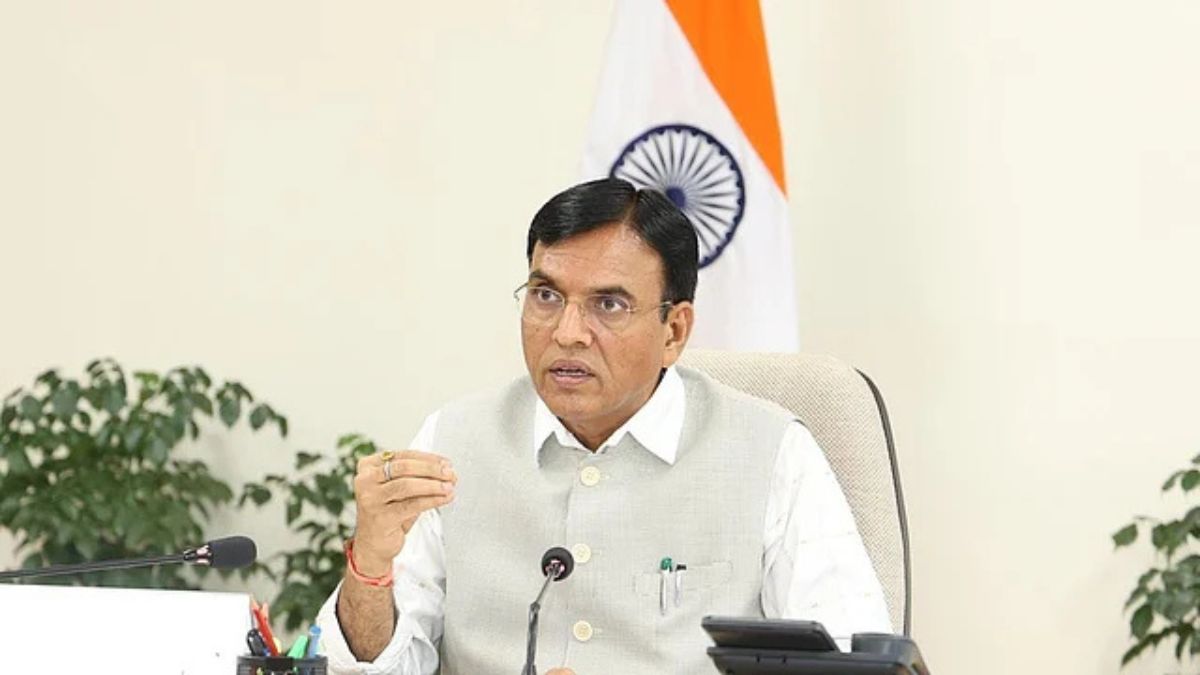
Union Minister Mansukh Mandaviya confirmed the rollout on X, calling the reforms a “major step” by Prime Minister Narendra Modi to uphold worker dignity and accelerate India’s journey toward becoming a developed nation by 2047.
A Modern Labour System for a New India
The four labour codes—the Code on Wages (2019), Industrial Relations Code (2020), Code on Social Security (2020), and Occupational Safety, Health and Working Conditions Code (2020)—replace 29 fragmented laws. This unified framework aims to simplify compliance for employers while ensuring every worker receives legal protection, fair compensation, and a safer working environment.
A Historic Shift Benefiting 400 Million Workers
For the first time, workers across factories, offices, farms, gig platforms, and digital media sectors will benefit from clearly defined rights and protections. Key highlights include mandatory written appointment letters, timely minimum wages, double wages for overtime, gratuity for fixed-term workers, and free annual health check-ups for workers above 40.
ALSO READ | EPFO New Withdrawal Rules 2025: 100% Partial Withdrawal permitted
The Codes Promise Transparency and Accountability
The new labour framework brings much-needed structure and transparency to India’s diverse workforce. Mandatory appointment letters will help prevent exploitation, ensure job clarity, and build verified employment histories—strengthening formalisation.
Stronger Financial Security for Every Worker
Timely minimum wage payments will reduce financial stress, while mandatory health check-ups for workers over 40 make preventive healthcare a central focus. Women workers gain equal pay protections, the freedom to work night shifts with consent, and access to more roles across high-risk sectors like mining and heavy machinery—supported by strict safety protocols.
Gig and Platform Workers Get Recognised
A landmark change is the formal recognition of gig and platform workers under the Code on Social Security. Companies in ride-hailing, delivery, and digital service sectors must now contribute to welfare funds, providing millions of workers access to insurance and social protection schemes for the first time.
Big Gains for Contract and MSME Workers
Contract workers benefit significantly, gaining rights similar to permanent employees, including gratuity eligibility after one year of service, social security coverage, and free health check-ups. MSME workers, often overlooked, will now receive guaranteed wages, safe working conditions, drinking water, rest areas, and structured wage payment systems.
Stronger Safety Rules for High-Risk Industries
In hazardous sectors, the codes introduce centralised safety standards, on-site committees, mandatory health assessments, and capped working hours. Women can work in any role—including mines—with safety measures in place. Dock workers, plantation labourers, and textile workers gain expanded medical coverage, insurance, welfare benefits, and transparent wage protections.
Digital, Media, and IT Workers Get Empowered
Digital and audio-visual sector workers—journalists, technicians, stunt performers—will receive written contracts, timely wages, and double pay for overtime. In the IT and ITES sectors, salaries must now be released by the 7th of every month, ensuring greater trust and accountability.
Export Sector Workers Receive Full Social Security
Export industry workers, who drive India’s global trade presence, are now entitled to gratuity, provident fund benefits, and comprehensive social protection even under fixed-term contracts. Women working night shifts in export hubs will receive secure transport, CCTV monitoring, and enhanced workplace safety.
Why These Reforms Matter for India’s Future
For decades, India’s labour laws were scattered and outdated, often failing to keep pace with evolving industries and modern work patterns. By merging 29 laws into four simplified codes, the government aims to build a system that strengthens worker rights while supporting business growth.
Whether for gig workers, miners, IT professionals, journalists, or plantation workers, the new labour codes establish clearer rights, stronger safety nets, and guaranteed benefits. These reforms mark a cultural shift that places dignity, fairness, and opportunity at the center of India’s labour ecosystem—reshaping the future of work for millions.
Disclaimer:
This article is based on officially available government updates and public information. Policies and interpretations may change over time based on further notifications and implementation guidelines.
Kangkan Kishor Sharma, an M.A. in Media and Journalism, serves as the Chief Contributor at NestOfNews.com. He contributes regularly, bringing insight, passion, and a deep commitment to delivering stories that truly matter. His work reflects a thoughtful understanding of media, storytelling, and the issues shaping today’s world.
1 thought on “India Implements New Labour Codes: A Historic Step Toward Dignity, Security & Fair Wages for 400 Million Workers”
Comments are closed.