

|
Getting your Trinity Audio player ready...
|
When politics turns theatrical, it often leaves behind more questions than answers. That’s exactly what happened in Australia this week when Senator Pauline Hanson walked into Parliament wearing a full burqa—a moment that stunned the nation and reignited debates around racism, religious freedom, and respect in public life.
A Protest That Went Too Far
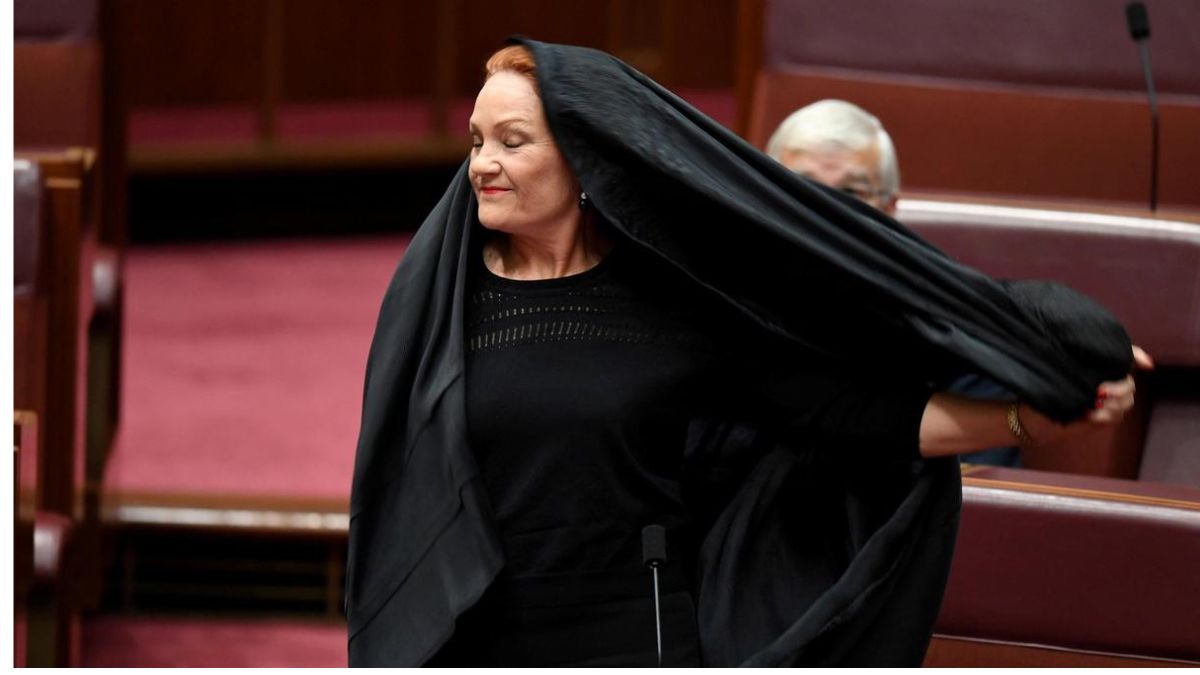
The 71-year-old One Nation leader, long known for her anti-immigration and anti-Muslim views, entered the Senate chamber covered head-to-toe in a burqa. Pauline Hanson said she did it to protest Parliament’s refusal to consider her bill calling for a nationwide ban on full-face coverings.
But what she described as a political message, many saw as a painful insult.
Lawmakers immediately suspended Pauline Hanson for the day. And when she refused to apologise, the Senate took a rare and serious step: censuring Hanson and banning her from seven consecutive sitting days—a punishment that will carry over when Parliament resumes in February.
Leaders Say the Stunt “Mocked and Vilified” a Faith
Government Senate leader Penny Wong, who moved the censure motion, delivered one of the strongest condemnations. She said Hanson’s decision to wear a burqa inside Parliament “mocked and vilified an entire faith” followed by nearly a million Australians and risked deepening division across the country.
Wong added that such actions harm social unity and create painful consequences for vulnerable groups, especially young Muslims who already face discrimination.
ALSO READ | Sanae Takaichi Becomes Japan’s First Female Prime Minister
Muslim Senators Respond With Emotion and Strength
Pakistan-born Senator Mehreen Faruqi spoke passionately, saying this episode should be a turning point in confronting systemic racism in Australia. Afghan-born Senator Fatima Payman, who wears a hijab, confronted Hanson directly a day earlier, calling the stunt “disgraceful” and “a shame.”
Community leaders also expressed anger. The Australian Federation of Islamic Councils said Hanson’s act was part of a long-standing pattern of rhetoric that targets Muslims, migrants, and minorities.
Not the First Time — But the First Real Consequence
Pauline Hanson staged a similar protest in 2017, wearing a burqa into Parliament to push the same argument. She was not punished then. But this time, the national mood was different — and lawmakers across parties agreed that such actions crossed a line of respect and dignity the Parliament must uphold.
Pauline Hanson Remains Defiant
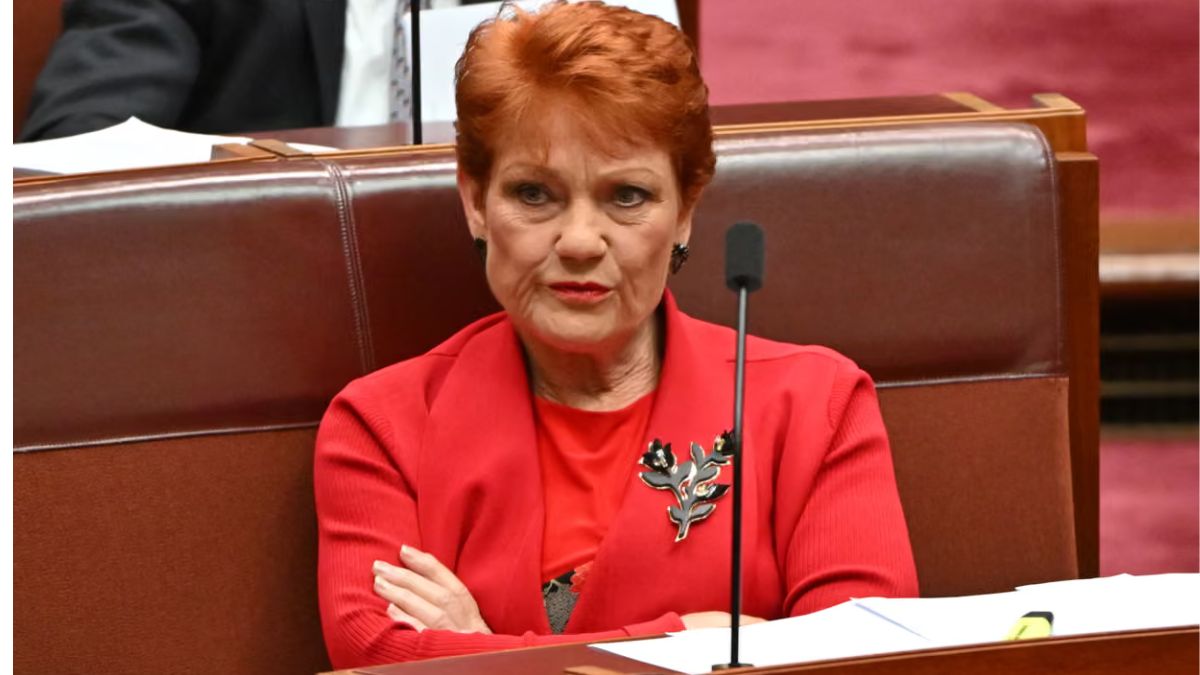
Despite the backlash, Pauline Hanson says she has no regrets. She insists she did nothing wrong and claims Parliament acted hypocritically.
“They didn’t want to ban the burqa, yet they denied me the right to wear it. There is no dress code,” she argued. She believes her true judgment will come from voters in the 2028 election, not her Senate colleagues.
A Deeper Conversation Australia Cannot Ignore
Beyond the dramatic visuals and fiery statements, the moment forces Australia to confront bigger, emotional questions:
- How do we balance free expression with respect for cultural and religious identity?
- What responsibility do elected leaders have to heal, not divide, their communities?
- How do we protect people — especially children — from the harm caused by political stunts that target their identity?
For many Australians, this incident felt personal. It was not just about a garment, but about belonging, dignity, and the kind of nation they want to live in.
Disclaimer:
This article is written for informational purposes only. It aims to present events responsibly and does not support or oppose any political party, religion, or individual .It does not include independent verification of claims made by any individual or political group. As reactions, investigations, and official positions may evolve, readers are encouraged to follow official updates and trusted news outlets for the most accurate and current information.
Pronita Devi, an M.A. in Political Science, has spent over a decade in electronic and digital media. She regularly contributes insightful articles on geopolitics and current affairs, bringing clarity and depth to complex global issues.