
|
Getting your Trinity Audio player ready...
|
When the world had barely woken up, Caracas, Venezuela’s capital, was rocked by the sound of explosions. Ordinary citizens peered out of their homes as fighter jets roared through the skies, and a single headline dominated the media: Donald Trump Strikes Venezuela, Nicolás Maduro captured!
Within hours, news spread across the globe that the United States had launched a major military offensive on Venezuela and that President Nicolás Maduro had been arrested. For some, it was a spark of hope for the end of a dictatorship; for others, it was a direct assault on international law.
Donald Trump’s Venezuela Strike: What Happened in Caracas?

In an operation carried out early Saturday morning, explosions were heard across several districts of Caracas. Intense activity was observed near military bases, and the government immediately declared a national state of emergency.
Donald Trump claimed that the U.S. military had detained Nicolás Maduro and his wife, Cilia Flores, and transported them out of the country. A photograph later surfaced showing Maduro aboard the American warship USS Iwo Jima.
ALSO READ | Trump Tariffs Face Resistance: Strong Pro-India Voice Rises in US Congress
The U.S. Stance: Why Such a Major Step?
Donald Trump has long levelled serious allegations against the Maduro government. He stated that a network of illegal drugs, weapons, and undocumented migrants was spreading from Venezuela into the United States.
Based on these grounds, the U.S. charged Maduro with narco-terrorism and drug trafficking, and he was taken to New York to face trial. Trump further declared that the U.S. would temporarily manage Venezuela’s administration to ensure a “safe and proper transition.” Supporters hailed it as a bold move, while critics labelled it a quest for power.
International Reaction: Support and Sharp Criticism
The military action has split the world into two camps.
The British Prime Minister remarked that “no tears will be shed” over the end of the Maduro regime. In contrast, Russia, China, Iran, and several Latin American nations have condemned the move as a direct assault on national sovereignty.
The United Nations Secretary-General warned that this operation could set a “dangerous precedent.” While European nations acknowledged Maduro as an illegitimate leader, they emphasized that any transition of power must be peaceful and conducted within the framework of international law.
The Owaisi Factor: A Challenge to New Delhi
The strike has also triggered a heated political debate in India. AIMIM chief Asaduddin Owaisi raised a provocative question, challenging the Indian government’s approach to cross-border justice:
“If America can enter another country to capture Maduro, why can’t India bring the 26/11 masterminds back from Pakistan?” Owaisi’s comments have gone viral, with many using the U.S. operation to demand a “56-inch chest” response toward terror masterminds hiding in neighbouring territories.
Meanwhile, the Indian government advised its citizens to avoid travelling to Venezuela and urged those already there to remain vigilant.
Behind the Scenes: Months of Preparation
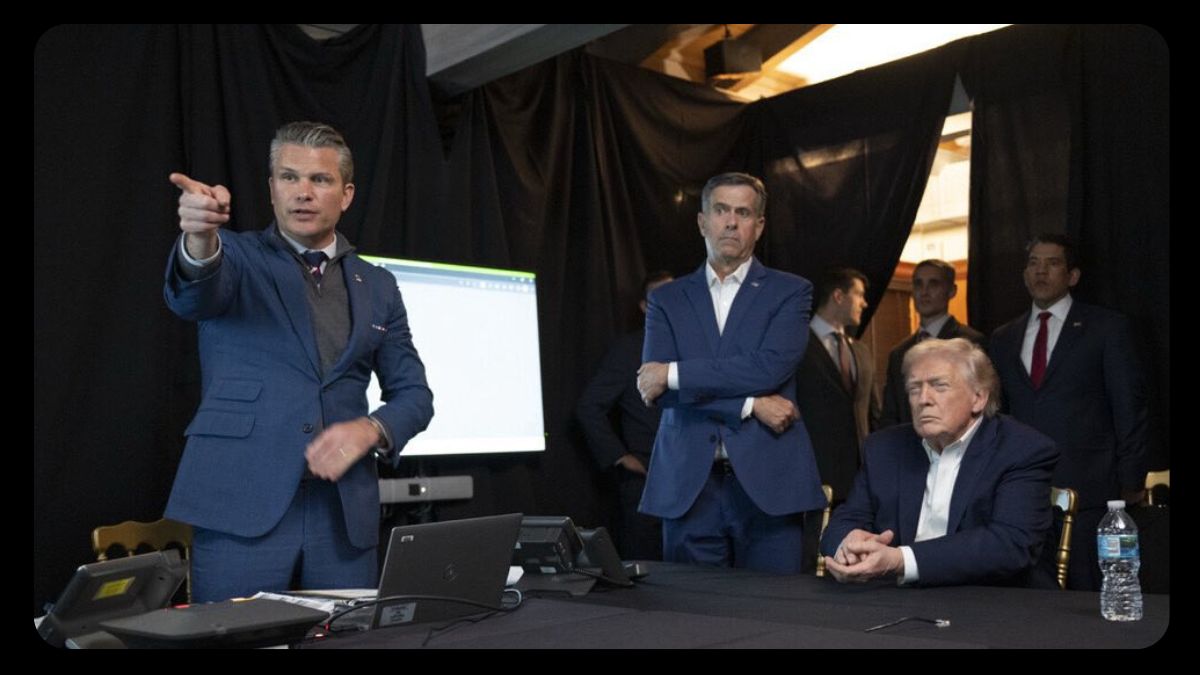
According to the White House, this was not a sudden decision. The mission had been in the planning stages for months. U.S. Special Forces closely studied Maduro’s security details, daily routine, and hideouts. The operation was completed in just a few minutes to minimise collateral damage. Donald Trump has also confirmed that he watched the operation unfold in real time.
The Big Question: Victory or Threat?
While one side views this as a victory against tyranny, the other fears that such a move could further destabilise the world. Is this action the first step toward democracy, or an example of the high-handedness of powerful nations? Only time will provide the answer.
Disclaimer:
This article is based on various international media reports, official statements, and publicly available information. Circumstances are subject to change. Readers are requested to verify official sources before reaching any conclusions.

Pronita Devi, an M.A. in Political Science, has spent over a decade in electronic and digital media. She regularly contributes insightful articles on geopolitics and current affairs, bringing clarity and depth to complex global issues.